
Exactly How To Express Dates And Time In Lithuanian

Author
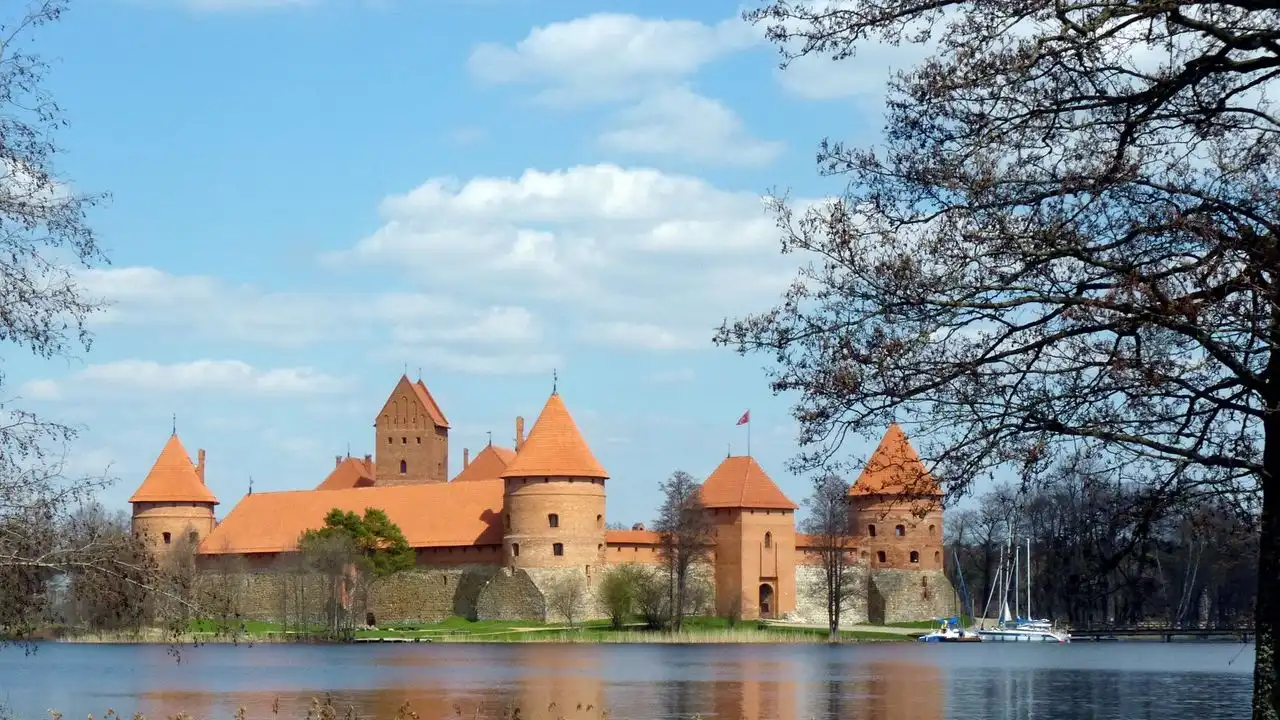
Knowing how to express dates and time in Lithuanian is essential for setting up meetings, buying tickets, or making reservations.
I’ll show you the simplest ways to talk about time and dates so you can navigate daily life in Lithuania.
You only need a basic understanding of Lithuanian numbers to get started.
Let’s break down the vocabulary and grammar step by step.
Table of Contents:
Days of the week
The Lithuanian word for week is savaitė.
Days of the week are very easy to learn because they’re logically numbered.
Each day begins with an ordinal number and ends with the word dienis, which comes from diena (day).
For example, pirmadienis literally translates to “first day”.
| English | Lithuanian |
|---|---|
| Monday | Pirmadienis |
| Tuesday | Antradienis |
| Wednesday | Trečiadienis |
| Thursday | Ketvirtadienis |
| Friday | Penktadienis |
| Saturday | Šeštadienis |
| Sunday | Sekmadienis |
Months of the year
The Lithuanian word for month is mėnuo.
Lithuanian months are entirely unique and tied closely to local nature and agriculture.
They don’t sound like the Latin-based months used in English or many other European languages.
For instance, lapkritis (November) translates directly to “falling leaves”.
| English | Lithuanian | Literal meaning |
|---|---|---|
| January | Sausis | Dry month |
| February | Vasaris | Spring-like month |
| March | Kovas | Rook (bird) |
| April | Balandis | Dove / Pigeon |
| May | Gegužė | Cuckoo bird |
| June | Birželis | Birch tree |
| July | Liepa | Linden tree |
| August | Rugpjūtis | Rye harvest |
| September | Rugsėjis | Rye sowing |
| October | Spalis | Flax shives |
| November | Lapkritis | Falling leaves |
| December | Gruodis | Frozen clods of earth |
How to express the date
When someone asks you what the date is today, you’ll use ordinal numbers.
Ordinal numbers are ranking words like “first”, “second”, or “third”.
Kokia šiandien diena?
When giving the date in spoken Lithuanian, you state the month in the genitive case, followed by the day as a feminine ordinal number.
The month changes slightly because you’re essentially saying “the fifth day of May”.
Šiandien yra gegužės penkta.
Yra lapkričio dvidešimt antra.
Telling the time
The Lithuanian word for hour is valanda and the word for minute is minutė.
To ask for the time, you use a specific phrase that literally translates to “how many hours now?”.
Kiek dabar valandų?
When answering, the form of the word valanda changes depending on the number you’re using.
For the number 1, you use valanda.
For numbers 2 through 9, you use valandos.
For numbers 10 through 12, you use valandų.
Dabar yra viena valanda.
Dabar yra trys valandos.
Dabar yra dešimt valandų.
If you want to add minutes, you simply say the number of minutes immediately after the hour.
Yra lygiai šešios valandos penkiolika minučių.
In casual spoken Lithuanian across all regional dialects, people often drop the words for “hours” and “minutes” to speak faster.
Dabar šešios penkiolika.
When you want to say “half past”, Lithuanians express this by looking ahead to the next hour.
You use the word pusė (half) followed by the next upcoming hour in the genitive case.
Dabar yra pusė penkių.
It’s also important to remember that Lithuania uses the 24-hour clock for all official schedules, transit, and appointments.
Useful time-related phrases
To have smooth conversations, you’ll also need some basic time indicators.
Here are the most common words used to describe when something happens.
| English | Lithuanian |
|---|---|
| Today | Šiandien |
| Tomorrow | Rytoj |
| Yesterday | Vakar |
| Morning | Rytas |
| Evening | Vakaras |
| Day | Diena |
| Night | Naktis |
| Half an hour | Pusvalandis |
You can combine these general time words with specific days of the week to be more precise.
Iki rytojaus ryto.
Susitikimas yra pirmadienio vakarą.