
Understanding The Main Lithuanian Dialects And Regional Variations

Author
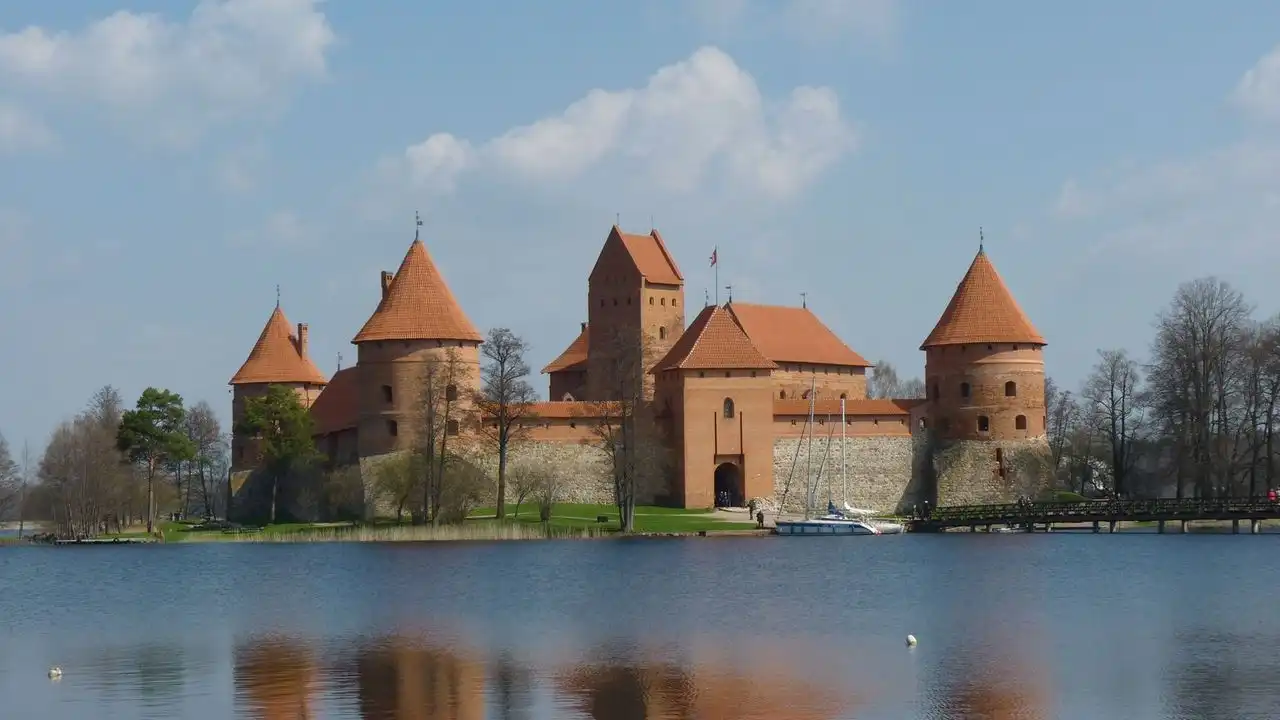
Lithuania is a relatively small country, but it has a rich variety of distinct regional dialects.
You’ll hear different pronunciation and vocabulary depending on which part of the country you visit.
Linguists divide the Lithuanian language into two primary dialects.
These are Aukštaitian (Highland Lithuanian) and Samogitian (Lowland Lithuanian).
Understanding how these regions speak will help you navigate conversations across the country.
Table of Contents:
The Aukštaitian dialect
Aukštaitian is spoken in the central and eastern parts of Lithuania.
This dialect is incredibly important for anyone studying the language.
Standard Lithuanian is entirely based on the Aukštaitian dialect.
If you’re learning online with Talk In Lithuanian, you’re learning Aukštaitian.
People in this region pronounce vowels and diphthongs clearly and exactly as they’re written.
The Samogitian dialect
Samogitian is spoken in the western part of Lithuania near the Baltic Sea.
This regional variation is heavily distinct from the standard language.
Many Lithuanians from other regions actually struggle to understand deep Samogitian speakers.
The main difference lies in how vowels are pronounced.
Samogitians often shorten word endings and change diphthongs.
For example, look at the standard word for “bread” below.
Duona
In Samogitian, this word is noticeably pronounced as douna.
They also frequently drop the final vowels of common words.
Here’s a quick comparison showing how standard words change in the Samogitian region.
| English | Standard Lithuanian | Samogitian |
|---|---|---|
| Bread | Duona | Douna |
| Good | Geras | Gers |
| Work | Darbas | Darbs |
Dzūkian and Suvalkian regional traits
Within the broader Aukštaitian dialect, there are two other famous regional sub-dialects.
These are spoken in the southern regions of Suvalkija and Dzūkija.
The Suvalkian sub-dialect is the exact foundation of modern Standard Lithuanian.
Speakers from Suvalkija use highly precise grammar and keep their vowel lengths perfectly intact.
Dzūkian speakers have a very unique pronunciation quirk called dzūkavimas.
They replace the letters “t” and “d” with “c” and “dz” in certain words.
Instead of saying taip (yes), a Dzūkian might casually say caip.
Which dialect should you learn?
You should focus entirely on Standard Lithuanian.
You don’t need to study Samogitian or Dzūkian to travel or live in Lithuania.
Every single Lithuanian learns the standard Aukštaitian language in school.
Even if someone speaks a heavy regional dialect at home, they’ll easily switch to Standard Lithuanian when speaking with you.
Learning the standard language guarantees you’ll be understood anywhere in the country.