
Common Lithuanian False Friends You Need To Avoid

Author
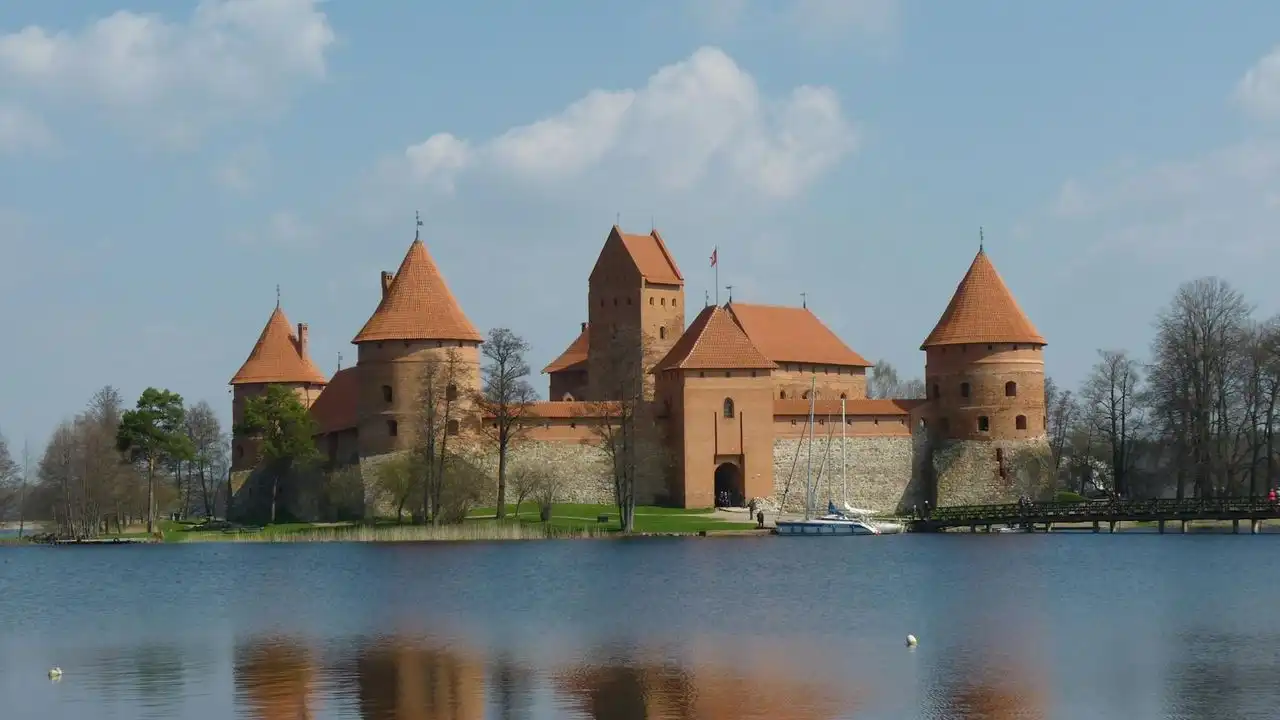
English and Lithuanian share many international words that look and sound alike.
However, you’ll want to watch out for false friends.
False friends are words in two different languages that look similar but have completely different meanings.
Using the wrong word can lead to confusing or embarrassing conversations.
Practicing your speaking skills with a structured course like Talk In Lithuanian is a great way to build a solid vocabulary base.
Below are the most common Lithuanian false friends you’ll need to avoid.
Table of Contents:
Aktualus
Many English speakers assume the word aktualus means “actual”.
It actually means “relevant” or “current” in Lithuanian.
If you want to say “actual” or “real” in Lithuanian, you’ll need to use the word tikras.

Ši tema yra labai aktuali šiandien.
Fabrikas
You might easily think fabrikas translates to “fabric”.
This word actually means “factory” in Lithuanian.
The correct Lithuanian word for fabric or cloth is audinys or medžiaga.
Mano tėvas dirba fabrike.
Simpatija
The word simpatija looks exactly like the English word “sympathy”.
In Lithuania, it’s used to describe a romantic crush or an attraction to someone.
If you want to express sympathy or pity for a bad situation, you’ll need to use the word užuojauta.
Jis yra mano nauja simpatija.
Šefas
The word šefas sounds exactly like the English word “chef”.
Lithuanians use this word to talk about their boss or manager at work.
To talk about a professional chef who cooks food in a restaurant, you’ll say virėjas.
Mano šefas yra labai griežtas.
Anekdotas
An anecdote in English is a short personal story about a real incident.
The Lithuanian word anekdotas specifically means a fictional joke.
If you want to share a real personal story, you’ll just use the standard word istorija.
Papasakok man juokingą anekdotą.
Prezervatyvas
This is a very tricky false friend for English speakers to mix up.
It looks like the English word “preservative” that you’ll find in food ingredients.
The word prezervatyvas actually means “condom” in Lithuanian.
If you want to talk about chemical food preservatives, you’ll use the word konservantas.
Kur galiu nusipirkti prezervatyvų?
Batonas
The word batonas has absolutely nothing to do with a wooden or metal baton.
This word refers to a standard loaf of white bread.
If you want to talk about a police baton or a stick, you’ll use the word lazda.
Man reikia nupirkti batoną.
Realizuoti
English speakers often use the word “realize” to mean noticing or understanding something.
The Lithuanian verb realizuoti means to implement, sell, or make a project happen.
When you want to say you mentally realized a fact, you’ll use the verbs suprasti or pastebėti.
Mums reikia realizuoti šį projektą.
Summary of Lithuanian false friends
Here’s a quick table to help you remember these confusing words.
| Lithuanian word | What it looks like | Real Lithuanian meaning | How to say the English word |
|---|---|---|---|
| Aktualus | Actual | Relevant / Current | Tikras |
| Fabrikas | Fabric | Factory | Audinys |
| Simpatija | Sympathy | Crush (romantic) | Užuojauta |
| Šefas | Chef | Boss / Manager | Virėjas |
| Anekdotas | Anecdote | Joke | Istorija |
| Prezervatyvas | Preservative | Condom | Konservantas |
| Batonas | Baton | White bread | Lazda |
| Realizuoti | Realize | Implement / Sell | Suprasti |
Memorizing these differences will immediately improve your conversational skills.
You’ll avoid awkward situations and sound much more natural when speaking to locals in Lithuania.