
Essential Lithuanian Food Vocabulary You Should Know

Author
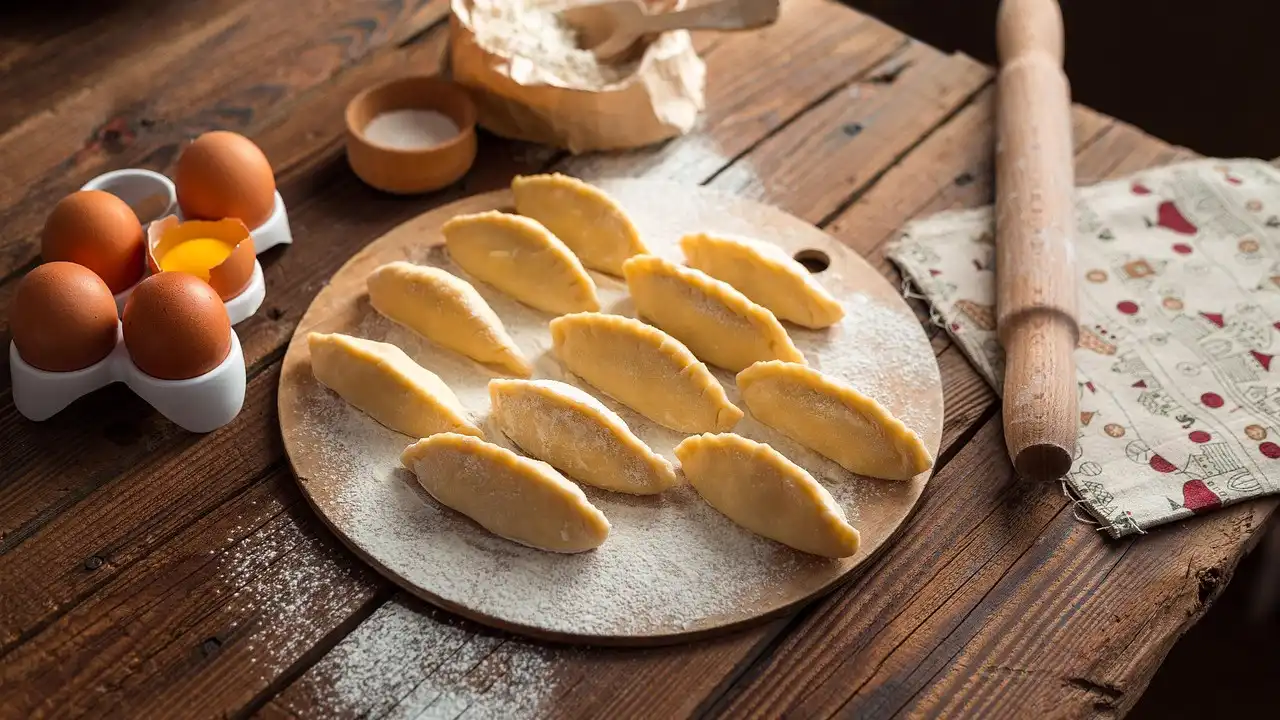
If there’s one way to the heart of a Lithuanian, it’s through food.
When you start to learn Lithuanian, you’ll quickly realize that our culture revolves around sitting at a table and sharing a meal. We love our food hearty, comforting, and usually covered in sour cream.
Understanding basic food words will help you navigate restaurants, shop at local markets, and impress your Lithuanian friends.
In this guide, I’ll go through the most famous traditional dishes, the staple ingredients we use every day, and how to order food like a local.
Table of Contents:
The holy trinity: potatoes, bread and dairy
Before we get to the complex dishes, you need to know the basics.
Lithuanian cuisine is quite heavy. Historically, we needed energy to work in the fields during our cold winters. Because of this, we rely heavily on root vegetables and dairy products.
Here are the absolute essentials found in almost every Lithuanian kitchen:
| Lithuanian | English | Notes |
|---|---|---|
| Bulvės | Potatoes | We eat these boiled, fried, mashed, or grated. |
| Duona | Bread | Usually refers to dark rye bread (juoda duona). |
| Grietinė | Sour cream | We put this on almost everything. |
| Varškė | Curd (Farmer’s cheese) | Used in dumplings, cakes, and eaten fresh. |
| Sviestas | Butter | Often whipped with herbs. |
| Mėsa | Meat | Usually pork (kiauliena) or chicken (vištiena). |
If you go to a restaurant and ask for duona (bread), you will likely get fried rye bread with garlic (kepta duona). It is the most popular snack to eat while drinking beer!
Famous traditional dishes you must try
When you open a menu in a traditional Lithuanian restaurant (often called a kavinė or restoranas), you will see some names that might look intimidating.
Don’t worry! Here is a breakdown of the most famous ones.
Cepelinai (Zeppelins)
This is the king of Lithuanian food. They are large potato dumplings filled with meat (or sometimes curd/mushrooms) and served with bacon sauce and sour cream.
They are named cepelinai because their shape looks like the Zeppelin airships from history.
Šaltibarščiai (Cold beet soup)
If you visit in summer, you will see everyone eating a bright pink soup.
It is made from pickled beets, kefir (fermented milk), cucumbers, dill, and hard-boiled eggs. It is always served cold with hot boiled potatoes on the side. It sounds strange to foreigners, but it is delicious and refreshing!
Here is a vocabulary list for the main dishes:
| Dish Name | Description |
|---|---|
| Cepelinai | Stuffed potato dumplings. |
| Šaltibarščiai | Cold pink beetroot soup. |
| Kugelis | Potato pudding/lasagna baked in the oven. |
| Balandėliai | Cabbage rolls stuffed with meat and rice. Literally “little pigeons”. |
| Blynai | Pancakes (often made of potato or flour). |
Fruits, vegetables and berries
Lithuanians love nature. In the late summer and autumn, many people go to the forests to pick berries and mushrooms.
Because our growing season is short, we appreciate fresh produce very much.
- Daržovės (Vegetables)
- Vaisiai (Fruits)
- Uogos (Berries)
Here are the most common ones you will encounter:
- Agurkas - Cucumber
- Pomidoras - Tomato
- Kopūstas - Cabbage
- Burokėlis - Beetroot
- Obuolys - Apple
- Braškė - Strawberry
- Grybai - Mushrooms (very popular in sauces!)
Drinks in lithuanian
If you are eating a heavy meal like cepelinai, you need something to wash it down.
Lithuania is very famous for its beer (alus). We have many old traditions related to brewing. However, if you don’t drink alcohol, we have a very special drink called gira.
Gira (Kvass) is a drink made from fermented bread. It is sweet, bubbly, and non-alcoholic (or has very tiny trace amounts). It tastes a little bit like caramel or molasses.
Here is your drink vocabulary:
| Lithuanian | English |
|---|---|
| Alus | Beer |
| Gira | Kvass (Bread drink) |
| Vanduo | Water |
| Kava | Coffee |
| Arbata | Tea |
| Midus | Mead (Ancient honey wine) |
Regional variations
Lithuania is small, but we still have different regions with different foods.
The most distinct region for food is arguably Žemaitija (Samogitia) in the West.
The people of Žemaitija are known for being stubborn and hardy, and their food reflects this.
One specific dish you might find there is Kastinys.
Kastinys is a savory spread made from sour cream and butter, whipped together with garlic and spices until it becomes fluffy. It is usually eaten with hot boiled potatoes. It sounds simple, but the texture is amazing.
If you are in the southeast (Dzūkija), you will find many more dishes made with mushrooms (grybai) and buckwheat (grikiai), because the soil there is sandy and full of forests.
How to order food in a restaurant
Now that you know what to eat, you need to know how to ask for it.
Politeness goes a long way. In Lithuanian, we usually use the phrase “Norėčiau…” which means “I would like…“.
Here are some helpful phrases for your next dinner out:
- Aš norėčiau… - I would like…
- Prašau - Please / Here you go
- Ačiū - Thank you
- Sąskaitą, prašau - The bill, please
- Skanaus! - Bon appétit / Enjoy your meal!
Let’s look at a typical dialogue between a waiter (padavėjas) and a customer (klientas).

Laba diena! Ką norėtumėte užsisakyti?
Laba diena. Aš norėčiau šaltibarščių, prašau.
O atsigerti?
Vieną stiklinę giros, prašau.
Notice that the endings of the words change (grammar rules!), but if you use the basic forms listed in the tables above, people will still understand you perfectly.
Don’t be afraid to try new things. Lithuanian food is very hearty and filling. Just remember to say Skanaus before you start eating.