
20 Common Lithuanian Greetings And Phrases For Beginners

Author
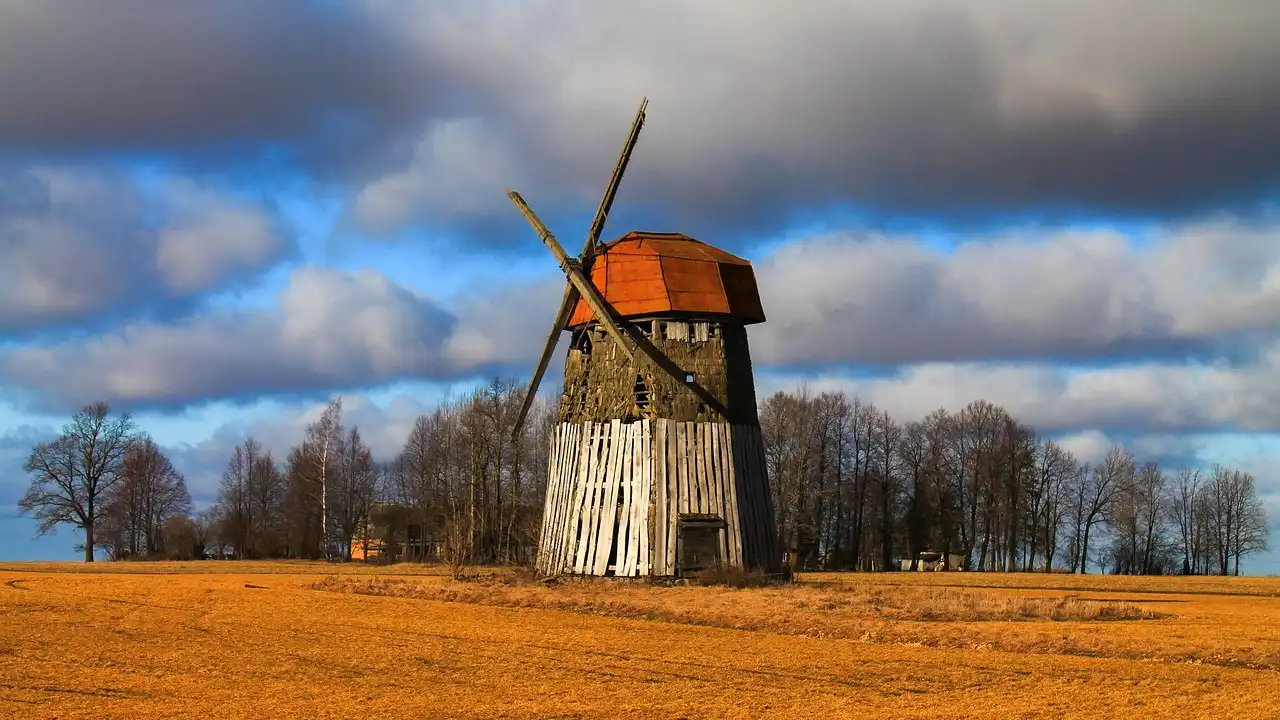
If you’re planning a trip to Vilnius or Nida, you’re going to need a few words in your pocket.
Lithuanian is one of the oldest living languages in the world. Because of this, many people feel intimidated to start learning it. They think the grammar’s too difficult or the pronunciation’s too strange.
But don’t worry.
You don’t need to master complex grammar just to be polite and friendly.
Locals in Lithuania absolutely love it when foreigners try to speak their language. Even if you only say “hello” or “thank you,” you will earn a lot of respect and smiles.
In this guide, I will share the most common Lithuanian greetings and survival phrases that every beginner must know.
Table Of Contents:
Saying hello and goodbye
In Lithuanian, context is very important.
We have different words for formal situations (like speaking to an older person or a stranger) and informal situations (like speaking to a friend).
How to say hello
The most common way to greet someone is Labas. This is informal and used with friends or family.
Labas!
If you walk into a shop, a restaurant, or meet someone you don’t know, you should use the formal greeting: Sveiki.
Sveiki is actually the plural form (addressing a group), but we use it as a polite singular greeting too.
Sveiki.
You can also use time-specific greetings. These are very polite and work in almost any situation.
| English | Lithuanian | Pronunciation Guide |
|---|---|---|
| Good morning | Labas rytas | Lah-bahs ree-tahs |
| Good day | Laba diena | Lah-bah dye-nah |
| Good evening | Labas vakaras | Lah-bahs vah-kah-rahs |
How to say goodbye
Just like greetings, goodbyes have formal and informal versions.
If you’re leaving a group of friends, you can say Iki. It is short, quick, and friendly. It is similar to saying “bye!” or “later!”
Iki!
For a more formal goodbye, or when leaving a shop, you should use Viso gero. It literally translates to “all the best.”
Viso gero.
Asking “how are you?”
After you say hello, it is polite to ask how things are going.
The most standard way to ask “how are you” or “how is it going” is Kaip sekasi?
Kaip sekasi?
If you’re speaking to a close friend, you might ask Kaip gyveni? This literally means “How are you living?”
Kaip gyveni?
Answering the question
In English, when someone asks “how are you,” you almost always say “good.”
In Lithuanian, we’re generally honest, but for a beginner, it is best to stick to the positive answers.
- Gerai (Good / Well)
- Puikiai (Great / Perfect)
- Normaliai (Normal / Okay)
Gerai, ačiū.
Being polite: please and thank you
If you only learn one word in Lithuanian, make it this one: Ačiū.
It means “thank you.”
There is a very easy trick to remember the pronunciation. It sounds exactly like a sneeze in English: Ah-choo!
Ačiū.
If you want to say “thank you very much,” you can say Labai ačiū.
You’re welcome / Please
The word Prašom is a very versatile “magic word” in Lithuanian. You can use it in three different situations:
- To say “you’re welcome” after someone thanks you.
- To say “please” when asking for something.
- To say “here you go” when handing someone an item.
Prašom.
Sorry and excuse me
If you bump into someone or need to get past them in a crowded bus, you say Atsiprašau. This means both “excuse me” and “I’m sorry.”
Atsiprašau.
Introductions and basics
When you meet Lithuanians, they might want to know your name and where you’re from.
To introduce yourself, you can say Mano vardas yra… (My name is…). Often, we drop the word yra (is) and just say Mano vardas [Name].
Mano vardas Eglė.
After someone introduces themselves, it is polite to respond with Malonu. This is short for “Nice to meet you.”
Malonu.
Yes and No
Simple, but essential.
- Taip (Yes)
- Ne (No)
Survival phrases
Sometimes, despite your best efforts, you might not understand what is being said. Lithuanian is difficult, and locals speak fast.
Here are the phrases that will save you when you’re stuck.
1. I don’t understand. Use this when you’re confused.
Aš nesuprantu.
2. Do you speak English? Many young people in Lithuania speak excellent English. Older generations might speak Russian instead.
Ar kalbate angliškai?
3. Where is…? Use Kur yra… followed by the place you’re looking for.
Kur yra tualetas?
Regional variations (dialects)
Lithuania is a small country, but we have distinct regions with their own dialects. The two main groups are the Aukštaičiai (Highlanders) and the Žemaičiai (Samogitians/Lowlanders).
Standard Lithuanian is based largely on the Aukštaičiai dialect (specifically the western part). This is what you will hear on TV and learn in books.
However, if you visit the western part of Lithuania (like Klaipėda or Telšiai), you might hear Samogitian.
Samogitian is so different that some linguists consider it a separate language! They often shorten words and change vowel sounds.
For example, asking “How are you?” or “What’s up?” in standard Lithuanian is Kaip sekasi?
In colloquial Samogitian, you might hear a short, sharp:
Kon tu?
It sounds very informal and might confuse a beginner. If you hear people speaking and it sounds nothing like the Lithuanian you studied, you’re probably listening to proud Samogitians!
Summary
Learning these 20 phrases will make a huge difference in your travels.
Let’s review the top 5 must-know words:
- Labas (Hello)
- Ačiū (Thank you)
- Prašom (Please/You’re welcome)
- Atsiprašau (Excuse me/Sorry)
- Iki (Bye)
Don’t be afraid to make mistakes. We know our language is hard, and we appreciate every effort you make.
Sėkmės!