
Essential Lithuanian Travel Vocabulary For Your Trip

Author
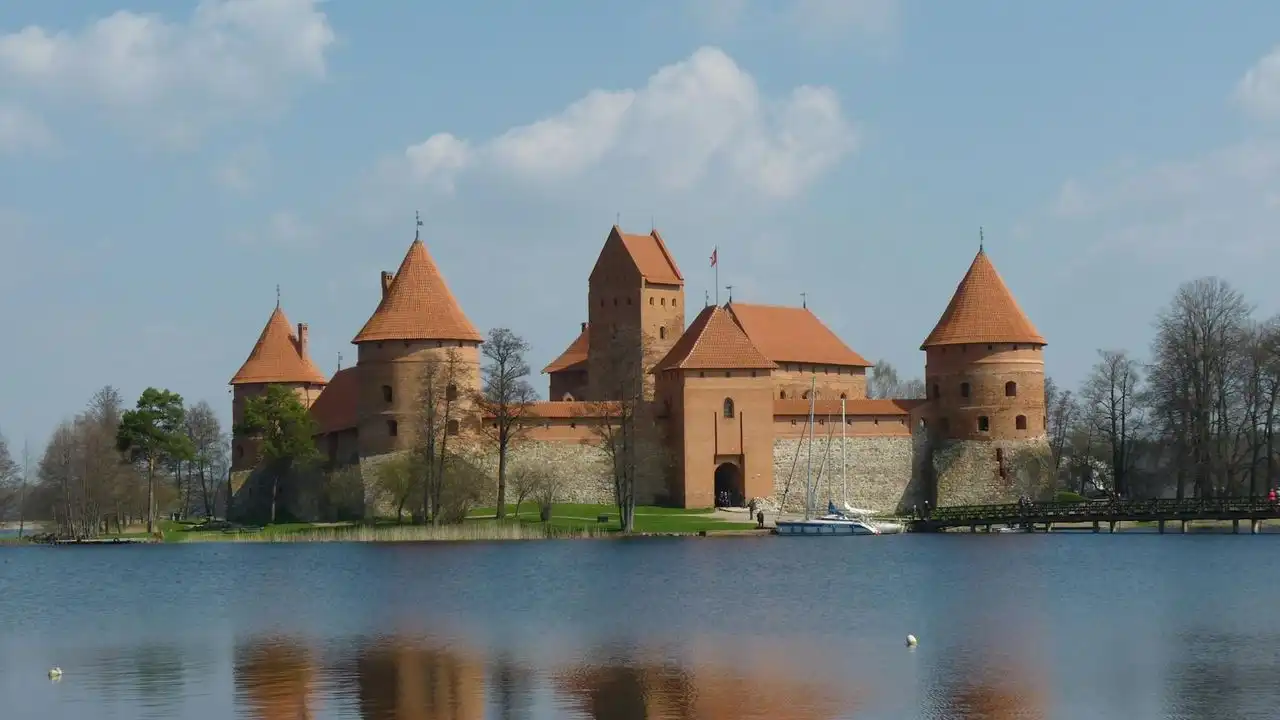
Learning a few Lithuanian words will make your trip to Lithuania much smoother.
Locals always appreciate it when visitors try to speak their language.
Even knowing basic greetings and polite expressions goes a very long way.
You might hear different regional dialects if you travel to places outside of Vilnius.
For example, people in western Lithuania speak the Samogitian dialect, which sounds very different from standard Lithuanian.
However, standard Lithuanian is understood by absolutely everyone across the country.
This guide covers the standard, practical Lithuanian travel vocabulary you need for a comfortable stay.
Table of Contents:
Greetings and polite words
Starting your interactions politely is very important in Lithuania.
These are the core words you’ll use every single day during your visit.
| English | Lithuanian | Pronunciation |
|---|---|---|
| Hello (informal) | Labas | Lah-bas |
| Good day (formal hello) | Laba diena | Lah-bah dyeh-nah |
| Thank you | Ačiū | Ah-choo |
| Please / Here you go | Prašau | Prah-show |
| Excuse me / Sorry | Atsiprašau | Aht-sih-prah-show |
| Goodbye | Viso gero | Vih-soh gheh-roh |
The word prašau is incredibly versatile in Lithuanian.
You can use it to say “please” when asking for something, or “here you go” when handing something to someone.
Labas, ačiū.
Prašau.
Getting around and directions
Navigating a new country is much easier when you know transport vocabulary.
Lithuania has an excellent bus and train system to help you get around.
| English | Lithuanian | Pronunciation |
|---|---|---|
| Where is…? | Kur yra…? | Koor ee-rah…? |
| Ticket | Bilietas | Bih-lyeh-tas |
| Bus | Autobusas | Ow-toh-boo-sas |
| Train | Traukinys | Trow-kih-nees |
| Airport | Oro uostas | Oh-roh wos-tas |
| Left | Kairė | Ky-reh |
| Right | Dešinė | Deh-shih-neh |
| Straight | Tiesiai | Tyeh-syay |
When asking for directions, you can simply say kur yra followed by the place you’re looking for.
Atsiprašau, kur yra autobusas?
Tiesiai ir į dešinę.
Accommodation and hotels
Checking into your accommodation requires just a few specific words.
Receptionists in major cities will typically speak English, but trying Lithuanian is a nice gesture.
| English | Lithuanian | Pronunciation |
|---|---|---|
| Hotel | Viešbutis | Vyesh-boo-tis |
| Room | Kambarys | Kam-bah-rees |
| Reservation | Rezervacija | Reh-zehr-vah-tsih-yah |
| Key | Raktas | Rahk-tas |
| How much does it cost? | Kiek kainuoja? | Kyek ky-nwoh-yah? |
Laba diena, turiu rezervaciją.
Prašau kambario raktas.
Eating out and ordering food
Lithuanian food is incredibly hearty and delicious.
Knowing how to order drinks and ask for the bill is essential for dining out.
| English | Lithuanian | Pronunciation |
|---|---|---|
| Menu | Meniu | Meh-nyoo |
| Water | Vanduo | Vahn-dwoh |
| Coffee | Kava | Kah-vah |
| Beer | Alus | Ah-loos |
| Bill / Check | Sąskaita | Sahs-ky-tah |
| Delicious | Skanu | Skah-noo |
If you enjoy your meal, telling the waiter skanu will certainly make them smile.
Meniu, prašau.
Vanduo ir kava, prašau.
Emergencies and asking for help
It’s always smart to be prepared for unexpected situations.
These phrases will help you get assistance if you ever need it.
| English | Lithuanian | Pronunciation |
|---|---|---|
| Help | Pagalba | Pah-gahl-bah |
| I need help | Man reikia pagalbos | Mahn ray-kyah pah-gahl-baws |
| Hospital | Ligoninė | Lih-goh-nih-neh |
| Police | Policija | Poh-lih-tsih-yah |
| Do you speak English? | Ar kalbate angliškai? | Ar kahl-bah-teh ahn-glish-kay? |
| I don’t understand | Aš nesuprantu | Ash neh-soop-rahn-too |
If someone speaks to you in fast Lithuanian, simply tell them you don’t understand.
Ar kalbate angliškai?
Taip, šiek tiek.
Keep these phrases handy during your trip.